

Mad Anthony’s Musings
-

Judge Judy Ruled Against Beard Guy
Beard Guy nailed his Tuesday threshold workout. Judge Judy (aka Garmin) reviewed the evidence and ruled: Unproductive. Here’s why the watch is judging the case with incomplete evidence — and why good training blocks often look messy in the middle.
-

Three Miles Is Fitness. Thirteen Miles Is Truth.
Anyone can look strong at mile three. Marathons are full of people who looked amazing at mile three. Learn why endurance sports eventually expose the difference between speed and durability — and how to build the kind of fitness that holds up when it matters.
-

Endurance Training Doesn’t Produce Flat Glucose
Most people expect blood sugar to stay flat during a well-managed workout. Endurance physiology doesn’t work that way. Learn why glucose rises, falls, and shifts during training — and why that’s normal, not a sign of poor control.
-
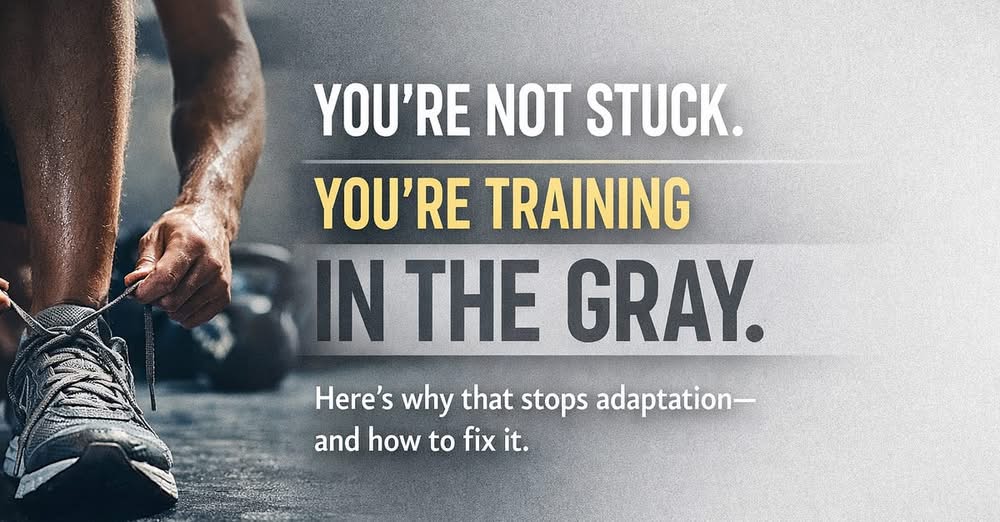
The Gray Zone Is Where Progress Goes to Die
You’re logging the miles, hitting the workouts, and nothing is moving. That’s not bad luck — that’s the gray zone. Learn why chronic moderate intensity stops adaptation and what polarized training actually looks like.
-
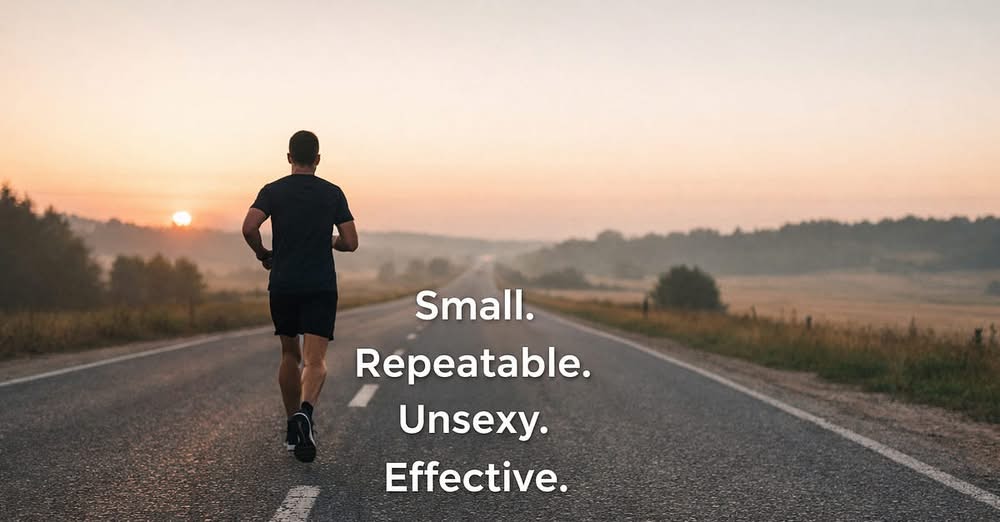
Small. Repeatable. Unsexy. Effective.
Most athletes overestimate what one big workout can do and underestimate what forty ordinary ones can build. Four watts of FTP gain isn’t dramatic — but compounded over months it beats any hero day that wrecks your next three weeks.
-

Four Watts. Click. Click. Boom.
My FTP went up four watts this month. Not 24. Four. And that’s the whole story. Learn why small gains after consistent training mean more than big jumps after inconsistency — and what it actually costs to earn them.
-

What I Forgot
After months on the treadmill, I finally ran outside. No autopilot. No belt to match. Just me, my pale legs, and a complete failure to remember how pacing works. Turns out outdoor running has a learning curve every single winter.
-

The Pool I Didn’t Want
My new pool has four cramped lanes, fluorescent lighting, and zero charm. I went anyway. Because training doesn’t care about your feelings — and the gap between who you are and who you want to be gets closed in unglamorous moments like this.
-
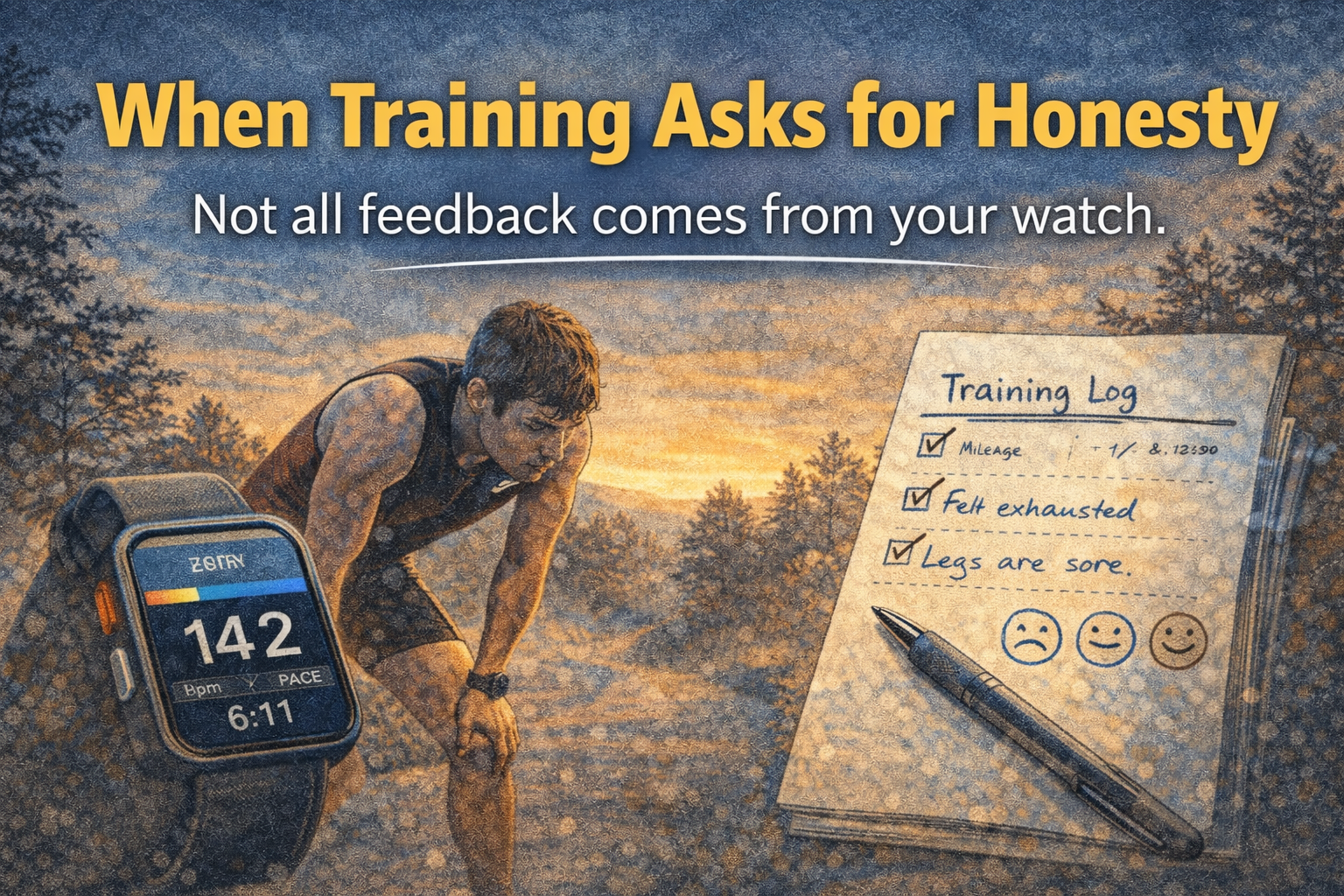
When Training Asks for Honesty
Your watch says heart rate is fine and pace is steady. Your body isn’t so sure. Every endurance athlete knows this moment — far enough from home that the decision matters. Which do you trust less: your body or your data?